



What Are Dental Implants?
November 10, 2026 6:05 pmMissing teeth can affect more than just the appearance of your smile. They may make it harder to chew certain foods, speak clearly, and feel confident in everyday situations. Dental implants offer a stable, natural-looking way to replace missing teeth by recreating the structure of a natural tooth from the root up.
So, what exactly are dental implants, and how do they work? A dental implant is a small post that is surgically placed in the jawbone to act as an artificial tooth root. Once it has healed and integrated with the surrounding bone, it can support a custom restoration such as a crown, bridge, or denture.
At Salem Creek Family Dental, Dr. Ashley Costello helps patients explore dental implant treatment and other tooth replacement options in Murfreesboro, TN. Here’s what you should know about the benefits, process, and long-term care of dental implants.
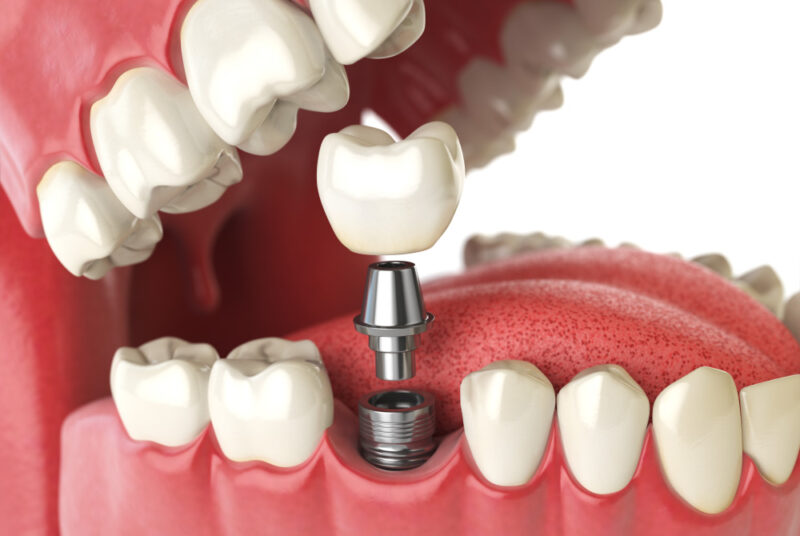
What Are the Different Parts of a Dental Implant?
A complete dental implant restoration is made up of several components that work together to replace a missing tooth.
- Implant post: This small post is surgically placed into the jawbone and serves as an artificial tooth root. Titanium is commonly used because it can integrate with the surrounding bone.
- Abutment: The abutment is a connecting piece that attaches to the implant post and provides support for the final restoration.
- Dental restoration: The visible replacement tooth is typically a custom crown for a single missing tooth. Implants can also support bridges or dentures when multiple teeth need to be replaced.
These components create a stable foundation for restoring the appearance and function of your smile.
How Do Dental Implants Work?
Dental implants work by replacing the root of a missing tooth rather than simply filling the space above the gumline. After the implant post is placed in the jawbone, the surrounding bone gradually bonds with its surface through a process called osseointegration.
This connection helps hold the implant securely in place so it can support a replacement tooth. Unlike a traditional removable denture, an implant-supported restoration is anchored to the jaw rather than relying only on the gums for support.
Dental implants also help preserve jawbone stimulation in the area of a missing tooth. When a natural tooth is lost, the surrounding bone may gradually shrink because it no longer receives the same stimulation from chewing. An implant can help maintain bone in the area, although it cannot guarantee that all bone changes will be prevented.
What Happens During the Dental Implant Procedure?
Dental implant treatment typically takes place over several stages. The exact timeline depends on your oral health, the number of implants being placed, and whether additional procedures are needed.
Step 1: Dental Implant Consultation
The process begins with a consultation and comprehensive evaluation. Dr. Costello will review your dental and medical history, examine your teeth and gums, and use appropriate imaging to evaluate your jawbone. This helps determine whether you are a good candidate and allows the team to develop a personalized treatment plan.
Step 2: Preparing Your Smile
Some patients need additional treatment before implant placement. For example, a damaged tooth may need to be extracted, or a bone graft may be recommended if there is not enough bone to support an implant. Any existing gum disease or other oral health concerns should also be addressed.
Step 3: Dental Implant Placement
During implant surgery, the dentist places the implant post into the jawbone at the planned location. The gum tissue is then allowed to heal around the surgical site. Our team will provide instructions to help you care for the area during recovery.
Step 4: Healing and Osseointegration
After placement, the implant needs time to integrate with the jawbone. This healing process may take several months, although the exact timeframe varies from patient to patient. During this stage, we will monitor your progress and determine when the implant is ready to support the final restoration.
Step 5: Attaching the Final Restoration
Once the implant has healed sufficiently, the abutment and custom restoration can be attached. For a single missing tooth, this is typically a dental crown designed to blend with your natural teeth. We will check the fit, appearance, and bite to help ensure a comfortable result.
Who Is a Good Candidate for Dental Implants?
Many adults with missing teeth may qualify for dental implants, but candidacy depends on several factors. A good candidate generally has healthy gums, adequate jawbone support, and the ability to maintain good oral hygiene.
Other factors we may consider include:
- The number and location of missing teeth.
- The amount and quality of available jawbone.
- Your history of gum disease or other oral health conditions.
- Medical conditions or medications that may affect healing.
- Smoking or tobacco use, which can increase the risk of implant complications.
- Your ability to attend follow-up visits and maintain the restoration.
Some patients who initially appear to have insufficient bone may still qualify after a bone graft or other preparatory treatment. A consultation is the best way to determine which options are available.
What Are the Benefits of Dental Implants?
Dental implants offer several advantages for patients who want to replace missing teeth. Because they are anchored in the jawbone, they provide a stable foundation for replacement teeth.
Some of the main benefits include:
- Natural appearance: Custom crowns and other restorations are designed to blend with your surrounding teeth.
- Improved chewing ability: Implants provide a stable foundation that can make eating more comfortable.
- Clearer speech: Securely anchored replacement teeth can help eliminate some of the movement associated with loose dentures.
- Jawbone support: Implants provide stimulation to the underlying jawbone, helping reduce the bone changes that can follow tooth loss.
- Protection for neighboring teeth: A single implant does not depend on adjacent teeth for support like a traditional bridge does.
- Long-term durability: The implant post can last for many years and may last a lifetime with proper care, although the crown or other restoration may eventually need repair or replacement.
How Long Do Dental Implants Last?
Dental implants are designed to be a long-term tooth replacement option. With good oral hygiene, regular dental visits, and proper maintenance, the implant post itself can last for decades and may last a lifetime.
However, the crown, bridge, or denture attached to the implant can experience normal wear over time. These components may need to be repaired or replaced depending on how they are used and maintained.
Factors such as smoking, gum disease, poor oral hygiene, and excessive pressure from grinding or clenching can also affect the long-term health of dental implants.
How Do You Care for Dental Implants?
Although dental implants cannot develop cavities, the gum tissue and bone surrounding them can still become affected by inflammation or infection. Proper care is important for protecting your investment and maintaining healthy supporting tissues.
To care for your dental implants:
- Brush twice a day with a soft-bristled toothbrush.
- Clean between your teeth and around your implant restoration every day.
- Follow your provided recommendations for floss, interdental brushes, or other cleaning tools.
- Attend regular dental exams and professional cleanings.
- Avoid smoking and tobacco products.
- Talk with our team if you grind or clench your teeth.
- Contact our office if you notice bleeding, swelling, discomfort, or movement around your implant.
Frequently Asked Questions About Dental Implants
Are dental implants painful?
Dental implant placement is performed with anesthesia to help keep patients comfortable during the procedure. Some soreness, swelling, or tenderness is normal during recovery, but these symptoms generally improve as the area heals. We will provide aftercare instructions to help manage discomfort.
How long does the dental implant process take?
The full process can take several months because the implant needs time to integrate with the jawbone before the final restoration is attached. Additional procedures, such as bone grafting or tooth extraction, may extend the timeline. Our team can provide a more personalized estimate based on your treatment plan.
Can dental implants fail?
Although dental implants have high success rates, failure is possible. Problems can occur if an implant does not properly integrate with the bone or if infection and inflammation develop around it. Smoking, poor oral hygiene, certain medical conditions, and inadequate bone support can increase the risk of complications.
Are dental implants better than dentures?
Dental implants and dentures serve different needs, and neither option is best for every patient. Traditional dentures are removable and do not require implant surgery, while implant-supported restorations offer additional stability and help maintain stimulation in the jawbone. We can help compare these options based on your needs and budget.
Can you get dental implants if you have bone loss?
Possibly. Some patients with bone loss may qualify for dental implants after a bone graft or other preparatory procedure. We will evaluate your jawbone and determine whether there is enough support for implant placement or whether additional treatment is needed first.
Do dental implants require special cleaning?
Dental implants should be brushed and cleaned between daily, just like natural teeth. Although the artificial tooth cannot develop a cavity, plaque buildup can irritate the surrounding gums and contribute to inflammation. Regular professional cleanings are also important for monitoring implant health.
Explore Dental Implants in Murfreesboro, TN
If you’re missing one or more teeth, dental implants may help restore the appearance and function of your smile. At Salem Creek Family Dental, Dr. Ashley Costello and our team use advanced imaging and treatment planning to help patients explore their tooth replacement options.
We take time to understand your goals, evaluate your oral health, and explain the steps involved in treatment. To learn more, visit our dental implants page or give us a call to schedule a consultation at our Murfreesboro office.
Categorised in: Restorative Dental Care